

1. Introduction
Experiential simulation has become a central term for describing the mediated production of presence, embodiment, and spatial attention in immersive environments. Yet the scholarly language used to validate such experience often depends on a second simulation: the conversion of unstable perception into stable textual evidence. Presence is measured, compared, cited, indexed, and redistributed through a system of scholarly signs.
This article treats that conversion as both a methodological condition and an aesthetic problem. It asks what happens when the experiential body, instead of remaining the origin of perception, becomes a measurable object within citation systems, metadata infrastructures, and institutional forms of verification.
The argument is deliberately positioned between media theory, artistic research, and speculative methodology. It does not offer a conventional empirical model; rather, it stages the academic article itself as a site where measurement, citation, and bodily experience begin to contaminate one another.
2. Presence, Embodiment, and Measurement
In immersive media studies, presence is often defined as the feeling of being there. This formulation, however, conceals the institutional labour required to transform such feeling into researchable evidence. Interviews, scales, diagrams, models, and citations each participate in making presence communicable.
Embodiment is therefore not only a phenomenological condition but also a documentary one. The body enters the article through descriptions of perception, movement, orientation, affect, and spatial awareness. Once written, these experiential traces become available for comparison, quotation, indexing, and evaluation.
The measurable body is not a biological body reduced to data, nor a purely virtual avatar. It is a scholarly construction: a body produced through the repeated alignment of experience with recognised vocabularies of evidence.
3. Methodology
The article adopts a speculative methodological format in which the visual and rhetorical conventions of academic publishing are treated as material structures. Citation density, DOI repetition, reference accumulation, and indexing language are read not as neutral paratexts but as operative components of the research object.
Rather than separating argument from presentation, the method allows form to become evidence. The page is organised as a clean scholarly surface so that later typographic disturbances can be understood as internal symptoms of the article itself, not as external decoration.
| Dimension | Indicator | Textual symptom | Visual manifestation |
|---|---|---|---|
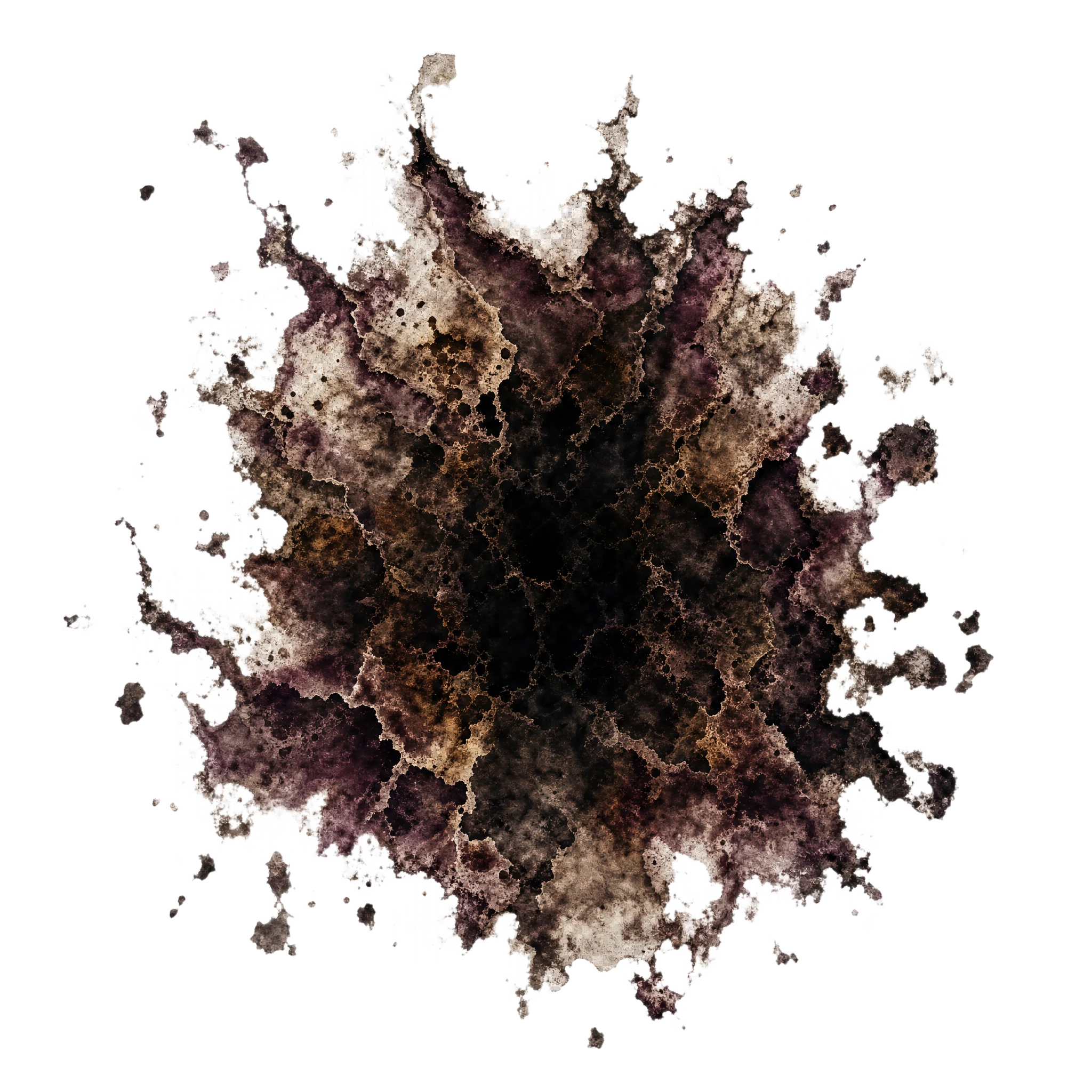
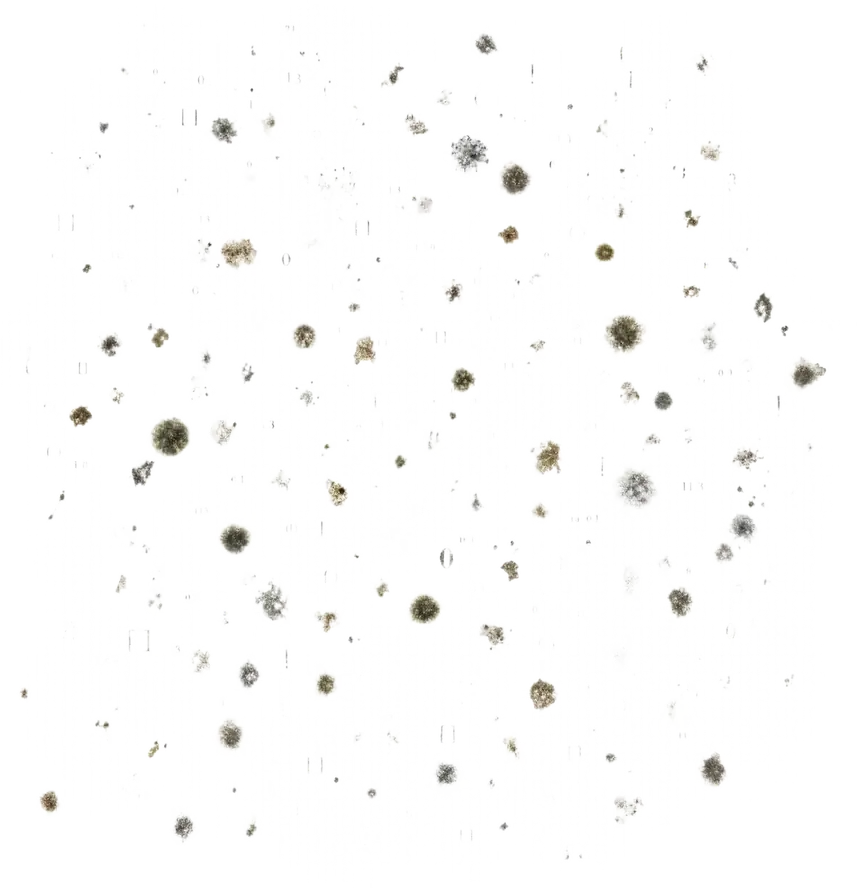
| Citation density | References per paragraph | Brackets, years, and author names accumulate | Grey textual clusters begin to form |
| Identifier pressure | DOI, ISSN, database tags | Paratext interrupts argument | Linear reading becomes fibrous |
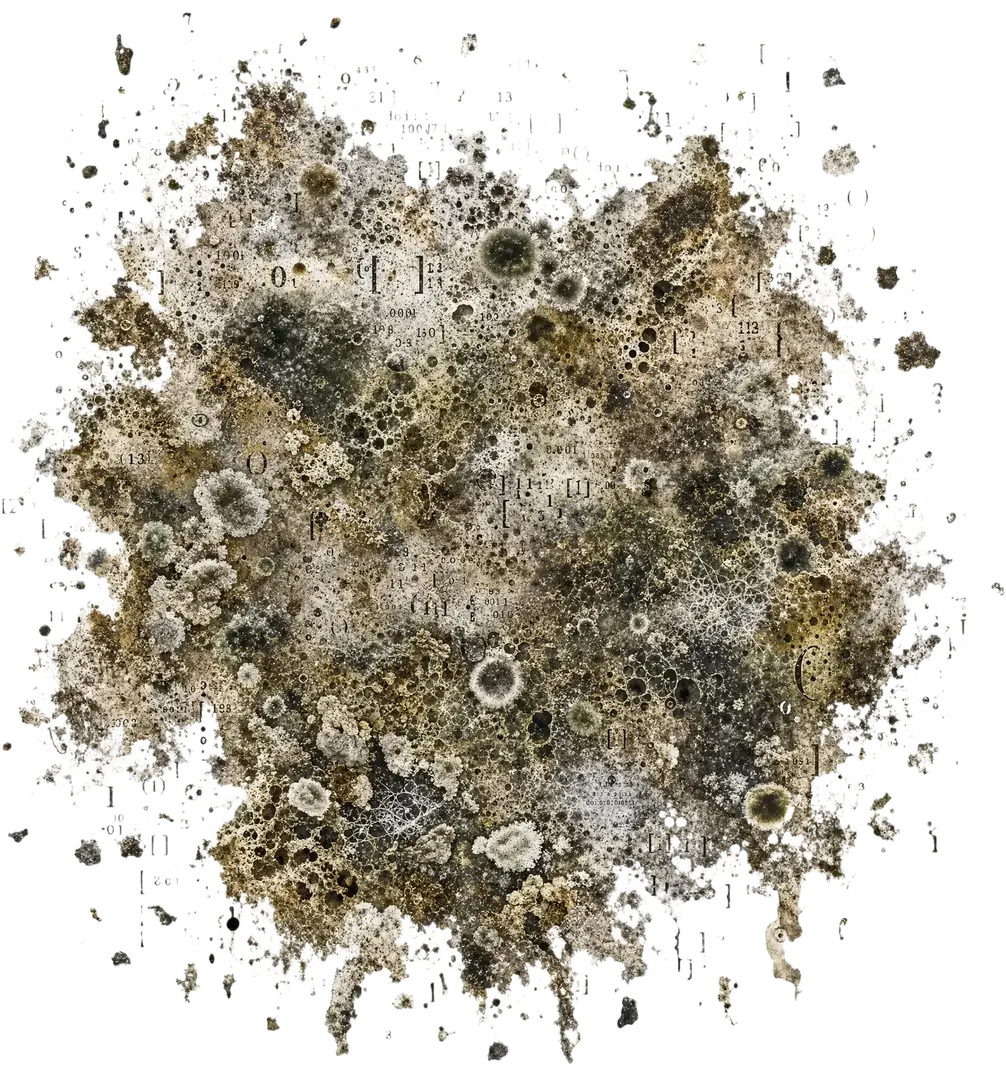
| Indexing value | Q ranking, SSCI, Scopus, h-index | Metrics replace interpretation | Institutional residue thickens |
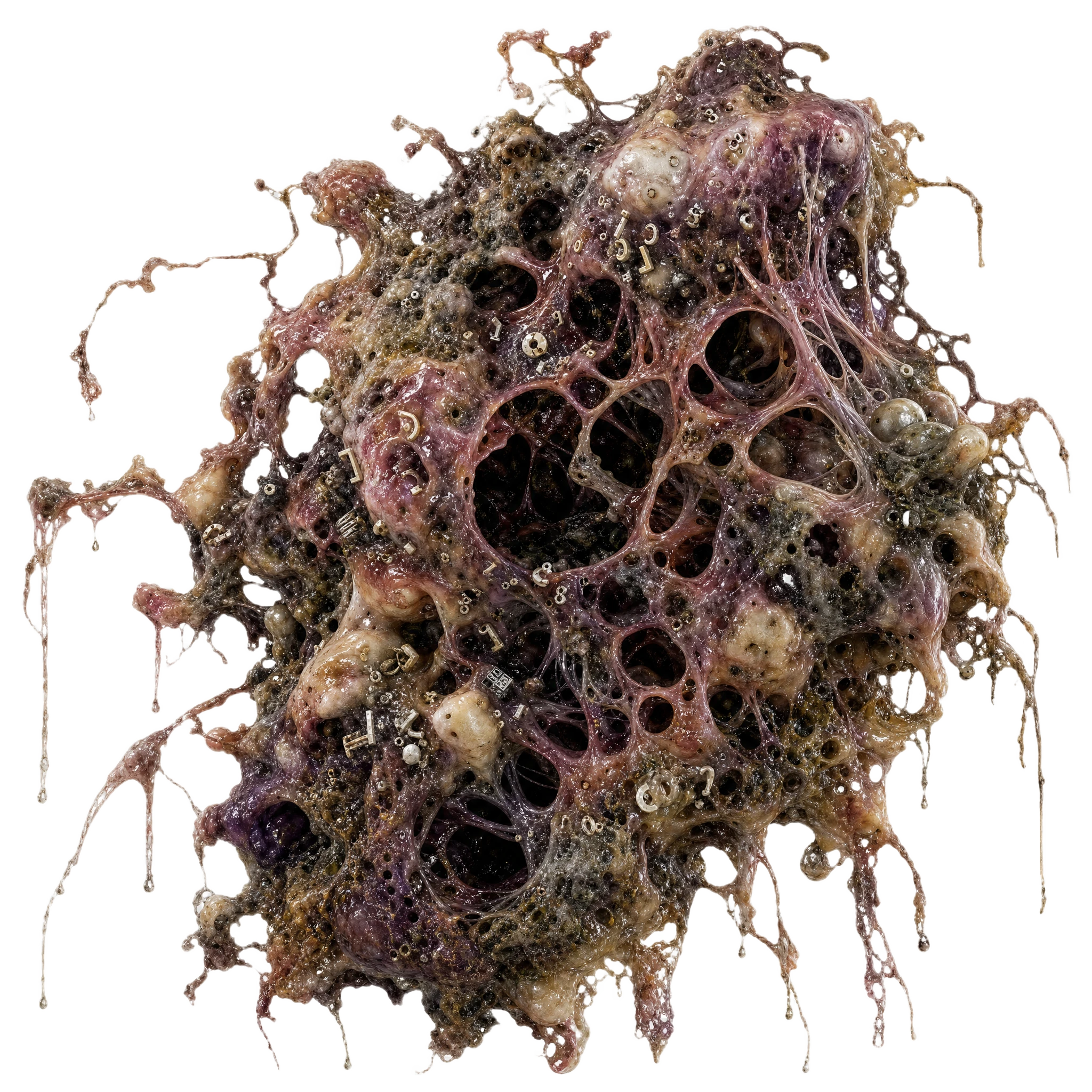
| Verification loop | Citation validates citation | Evidence becomes recursive | Knotted textual formations emerge |
4. Citation as Verification
Citation is commonly understood as a means of attribution. It acknowledges prior work, situates an argument, and enables scholarly accountability. Yet citation also functions as a technology of verification. It authorises claims by placing them within a recognised network of names, dates, journals, and disciplinary lineages.
When citation becomes excessive, its evidentiary role begins to change. References no longer simply support an argument; they produce an atmosphere of legitimacy. The reader encounters not only ideas but also the visual density of academic approval: brackets, years, initials, volume numbers, issue numbers, page ranges, identifiers, and database labels.
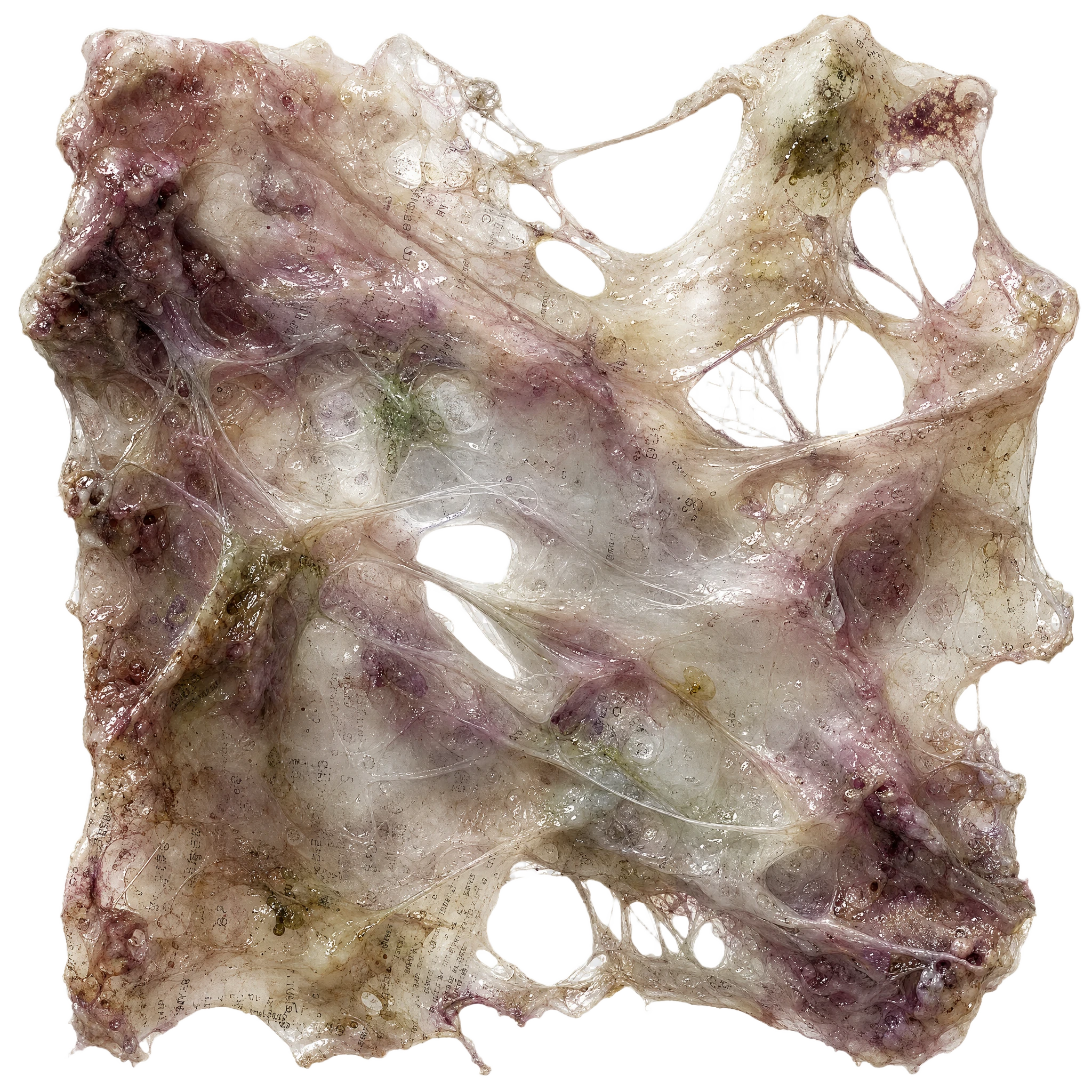
This accumulation forms what may be called citation hyperplasia: a condition in which the supporting apparatus of scholarship expands until it begins to compete with, obscure, or even generate the argument it was meant to verify.
In this sense, the citation is not a passive mark. It is a small institutional machine embedded within the sentence.
5. The Measurable Body
The measurable body appears wherever embodied experience must be stabilised for academic circulation. A feeling of spatial presence becomes a construct; a perceptual disturbance becomes a code; a bodily orientation becomes an indicator; an affective response becomes a result.
This transformation is not simply reductive. Measurement allows experience to travel across contexts, audiences, and disciplines. At the same time, it introduces a structural tension: the more precisely experience is made verifiable, the more it risks becoming detached from the unstable bodily conditions that produced it.
The measurable body is therefore double. It is both an empirical necessity and a textual fiction, both an object of inquiry and an effect of scholarly formatting.
6. From Evidence to Residue
Once an experiential claim has been cited, indexed, and circulated, it leaves behind a residue. This residue is not only semantic; it is visual and infrastructural. DOI strings, database categories, impact metrics, and reference lists accumulate around the article as signs of legitimacy.
These signs are usually treated as marginal. In this work, they become central. The residual apparatus of scholarship is reimagined as a material capable of growth, adhesion, repetition, and eventual deformation.
7. Citation Hyperplasia
Citation hyperplasia names the moment at which verification becomes pathological. The article remains formally recognisable as scholarship, but its surface begins to display the excessive growth of the very systems that certify it.
The concept does not reject citation. Instead, it asks what citation becomes when it is intensified by metrics, indexing, platform visibility, and institutional evaluation. Under these conditions, citation is no longer only a scholarly practice; it becomes a visual and administrative environment.
The page thus becomes a diagnostic field. Its clean typographic order is not the opposite of disease but the condition that allows the disease to become visible.
8. Conclusion
This fictive article proposes that experiential simulation is never only produced by immersive media. It is also produced by the scholarly systems that translate experience into evidence, evidence into citation, and citation into value.
By treating citation as both a verification system and a visual material, Citation Hyperplasia turns the academic page into a site of aesthetic diagnosis. What appears at first to be a stable research article gradually reveals the latent growth of the institutional signs that make it credible.
Indexing Trace
Primary fragments. DOI:10.0000/jes.2026.001 · Q1 · SSCI · Scopus · Web of Science · h-index · cited by · accepted manuscript · corrected proof
Citation syntax. (Slater, 2009; Steuer, 1992; Witmer & Singer, 1998) · et al. · ibid. · pp.45–67 · [1][2][3]
Indexing trace. Impact factor pending · metadata verified · database record active · cross-reference registered
Visual function. These abbreviated metadata strings form the textual substrate from which later typographic lesions may emerge.
References
Baudrillard, J. (1994). Simulacra and simulation. University of Michigan Press.
Haraway, D. (1991). Simians, cyborgs, and women: The reinvention of nature. Routledge.
Hayles, N. K. (1999). How we became posthuman: Virtual bodies in cybernetics, literature, and informatics. University of Chicago Press.
Hansen, M. B. N. (2006). Bodies in code: Interfaces with digital media. Routledge.
Kwon, M. (2002). One place after another: Site-specific art and locational identity. MIT Press.
Lombard, M., & Ditton, T. (1997). At the heart of it all: The concept of presence. Journal of Computer-Mediated Communication, 3(2).
Manovich, L. (2001). The language of new media. MIT Press.
Parikka, J. (2012). What is media archaeology? Polity Press.
Slater, M. (2009). Place illusion and plausibility can lead to realistic behaviour in immersive virtual environments. Philosophical Transactions of the Royal Society B, 364(1535), 3549–3557.
Steuer, J. (1992). Defining virtual reality: Dimensions determining telepresence. Journal of Communication, 42(4), 73–93.
Witmer, B. G., & Singer, M. J. (1998). Measuring presence in virtual environments: A presence questionnaire. Presence: Teleoperators and Virtual Environments, 7(3), 225–240.
Lei, Z. (2026). Citation hyperplasia: A growing academic tumour. Fictional Journal of Experiential Simulation, 1(1), 1–9.
Lei, Z., & Zhou, W. (2026). Experiential simulation and the measurable body in location-based virtual reality. Unpublished manuscript.